

Electropolished Stainless Steel Pipes and Tubes: Benefits, Applications & Selection Guide
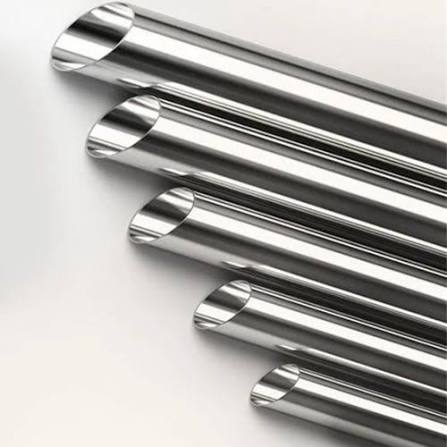
Electropolished Stainless Steel Pipes and Tubes: A Complete Guide
Electropolished stainless steel pipes and tubes are essential components in modern hygienic process systems. They are widely used in pharmaceutical plants, biotechnology facilities, dairy processing units, food and beverage industries, and chemical processing applications where cleanliness, corrosion resistance and a high-quality internal surface are important.
Electropolishing is an electrochemical surface treatment that removes a thin layer of material from stainless steel. When properly controlled, this process can improve surface smoothness, reduce microscopic surface irregularities and enhance the corrosion resistance of the material.
Ronak Overseas supplies stainless steel piping products and hygienic process components for Indian and international markets, helping customers source products for demanding industrial applications.
What Are Electropolished Stainless Steel Pipes and Tubes?
Electropolished (EP) stainless steel pipes and tubes are stainless steel products that undergo an electrochemical finishing process to improve their surface characteristics.
Unlike conventional mechanical polishing, electropolishing removes microscopic peaks from the metal surface through controlled electrochemical dissolution. This can produce a smoother, cleaner and more uniform finish when the process is correctly specified and performed.
Electropolished tubing is particularly suitable for applications where product contact surfaces, cleanability and corrosion performance are critical.
Common grades include:
- SS 304: Used in general food processing, beverage handling and many industrial applications.
- SS 316L: Often preferred for pharmaceutical, biotechnology and hygienic applications requiring enhanced corrosion resistance.
- Other specified grades: Available according to application requirements, operating conditions and applicable standards.
The appropriate grade depends on the process medium, cleaning chemicals, temperature, chloride exposure and operating environment.
Key Benefits of Electropolished Stainless Steel Tubes
1. Improved Surface Smoothness
Electropolishing reduces microscopic peaks and surface irregularities. The resulting finish can support easier cleaning and reduce the potential for product residue to accumulate on the surface.
2. Enhanced Corrosion Resistance
A properly performed electropolishing process can improve the condition of the stainless steel surface and support the formation of a protective passive layer. Actual corrosion resistance depends on the alloy grade, process quality and service environment.
3. Better Cleanability
Smooth internal surfaces are important in hygienic piping systems used for product transfer, cleaning-in-place (CIP) and other controlled processing operations. Correctly specified EP tubing can help facilitate effective cleaning.
4. Suitable for Hygienic Processing
Electropolished tubes are used in applications where contamination control, product quality and hygienic design are important considerations.
5. Consistent Surface Finish
When manufactured and inspected against defined requirements, electropolished tubes can provide a consistent surface finish suitable for demanding process installations.
Electropolished Stainless Steel Tubes for Pharmaceutical Industries
Pharmaceutical manufacturing requires carefully designed process systems to support cleanliness, product quality and contamination control.
Electropolished stainless steel tubes are used in suitable process piping applications, including purified water distribution, clean utility systems and selected product-contact lines.
For pharmaceutical projects, buyers should verify:
- Material grade, such as SS 316L, where specified.
- Applicable tubing dimensions and manufacturing standard.
- Internal surface roughness requirement, expressed as Ra in micrometres.
- Surface treatment and finishing requirements.
- Material test certificates and traceability.
- Weld quality, installation requirements and passivation requirements where applicable.
The exact requirements should be confirmed against the project specification and applicable standards.
Electropolished Tubes for Dairy and Food Processing
Dairy and food processing plants use hygienic piping systems to transfer milk, beverages, liquid food products and process fluids.
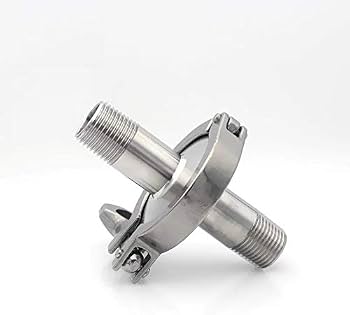
Electropolished tubing may be selected for applications requiring a controlled internal finish and effective cleaning. It can be used alongside compatible sanitary fittings, clamps, gaskets, valves and other process components.
Typical applications include:
- Milk and dairy processing lines.
- Beverage production systems.
- Food processing equipment.
- Hygienic liquid transfer lines.
- Selected clean-in-place piping systems.
Correct material selection, hygienic design, suitable gaskets and proper installation are all important for system performance.
Electropolished vs Bright Annealed Stainless Steel Tubes
Bright annealing and electropolishing are different processes that serve different purposes.
Bright Annealed (BA) Tubes: Bright annealing is a heat-treatment process performed under a controlled atmosphere to maintain a bright surface and reduce oxidation during annealing.
Electropolished (EP) Tubes: Electropolishing is an electrochemical finishing process used to remove a thin surface layer and improve surface characteristics.
The two finishes should not be considered interchangeable. A bright appearance alone does not establish the internal surface roughness, cleanliness or suitability for a particular hygienic application.
When selecting tubing, check the specified grade, dimensions, internal finish, Ra value and applicable manufacturing requirements rather than relying on appearance alone.
Understanding Surface Roughness and Ra Values
Surface roughness is an important consideration when selecting stainless steel tubing for hygienic applications.
Ra is the arithmetic average of the absolute surface profile deviations measured over a defined sampling length. It is commonly expressed in micrometres (µm).
For example, Ra ≤ 0.8 µm is a surface roughness requirement found in some hygienic process applications. However, it is not a universal requirement for every electropolished tube.
Buyers should confirm:
- Whether the Ra requirement applies to the internal surface, external surface or both.
- The required maximum roughness value.
- The measurement method and inspection procedure.
- Whether the specification requires mechanical polishing, electropolishing or both.
- The applicable standard and acceptance criteria.
A surface finish should be verified through appropriate inspection or test documentation when required by the purchase specification.
Common Standards and Specifications
The correct standard depends on the type of tube, industry and application.
When purchasing electropolished stainless steel tubes, buyers may need to consider:
- ASTM A270: A specification associated with seamless, welded and heavily cold-worked austenitic stainless steel sanitary tubing, subject to its scope and applicable requirements.
- ASME BPE: A standard used for the design and specification of bioprocessing equipment and associated components, including relevant hygienic piping requirements.
- ASTM material specifications: Applicable material requirements should be selected according to the product form and intended service.
- Project-specific specifications: These may define surface roughness, dimensional tolerances, material certification, finish and inspection requirements.
Not every EP tube automatically complies with ASTM A270 or ASME BPE. Compliance must be established against the applicable specification and supporting documentation.
How to Select the Right Electropolished Stainless Steel Tube
Before placing an order, consider the following factors:
- Material grade: Choose SS 304, SS 316L or another specified grade according to the service conditions.
- Tube dimensions: Confirm outside diameter, wall thickness and length.
- Surface finish: Specify the required internal and external finish and the maximum Ra value.
- Manufacturing standard: Identify the applicable ASTM, ASME BPE or project-specific requirements.
- Operating conditions: Consider process temperature, pressure, fluid chemistry and cleaning agents.
- Quality documentation: Confirm material test certificates, traceability and finish inspection reports where required.
- Compatibility: Ensure the tubing is compatible with the selected sanitary fittings, valves, clamps and installation method.
Providing these details helps suppliers identify suitable products and reduces the risk of specification mismatches.
Why Choose Ronak Overseas?
Ronak Overseas, based in Mumbai, India, supplies stainless steel products and hygienic process components for customers in India and international markets.
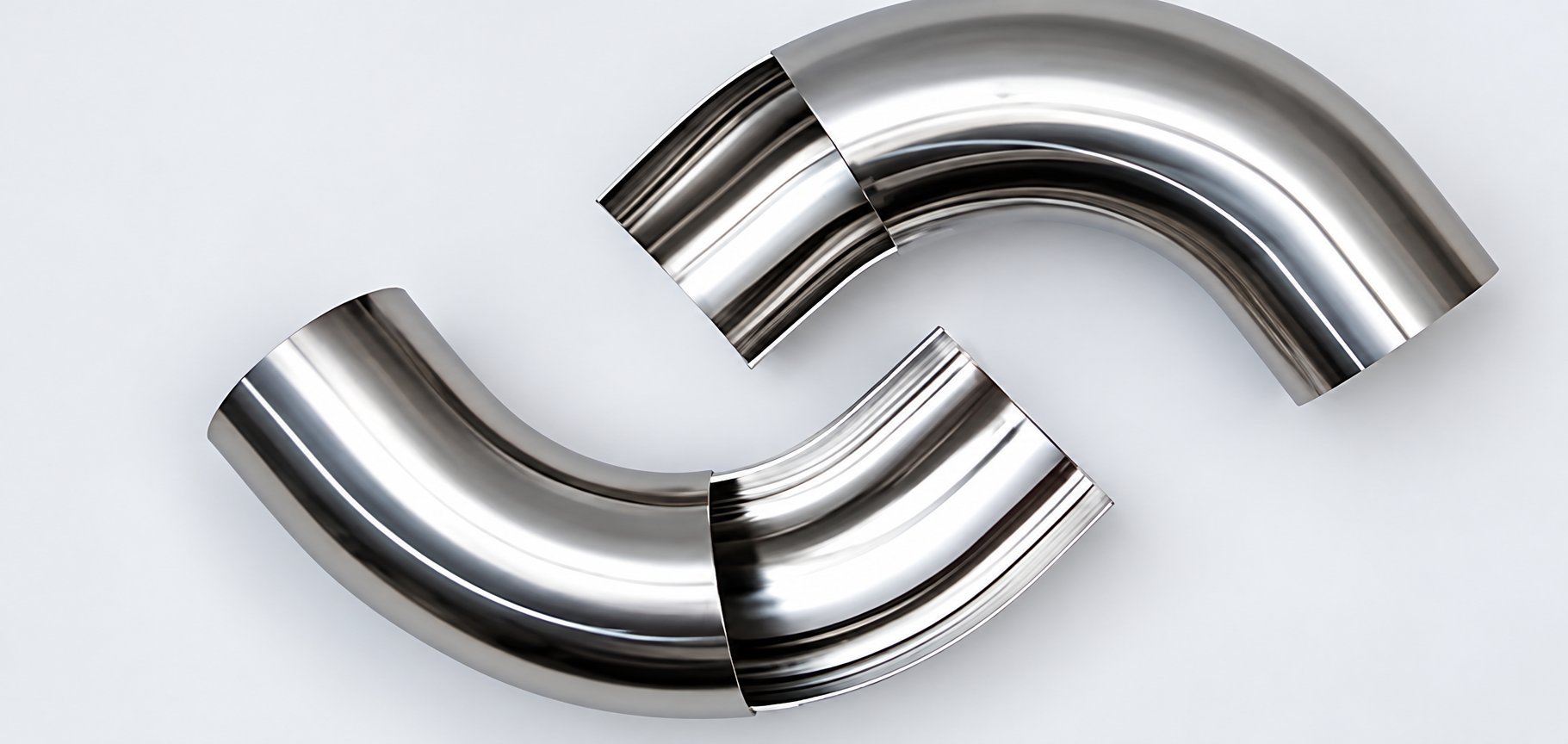
Our product range includes stainless steel tubes and pipes, Tri-Clamp fittings, ferrules, elbows, tees, clamps, gaskets, valves and other process piping components, subject to product availability and specification.
We support customer enquiries for industrial and hygienic applications, with attention to product specifications, dimensions, material grades and project requirements.
Whether you are sourcing stainless steel tubing for a dairy plant, pharmaceutical facility, food processing unit or industrial process system, our team can assist with product enquiries and suitable specifications.
Website: https://www.ronakoverseas.in
Email: [email protected]
Contact Ronak Overseas to discuss your requirements for electropolished stainless steel pipes and tubes.
Leave a Comment
Share your thoughts about this article.Login Required
Please login to post a comment or reply.